Quick answer
Treat SDCM as a source color-tolerance description, then compare installed samples and record the approved CCT, optics and batch controls.
SDCM and color consistency in hotel lighting describe one part of how closely nominally matching light sources may appear. SDCM means standard deviation of color matching and is often expressed as a number of MacAdam ellipse steps. A smaller stated tolerance can be useful in procurement, but it does not by itself prove that installed rooms will look identical. The eye also responds to wall finish, optics, dimming, age and adjacent daylight. Approve physical samples and a repeatable batch control plan rather than buying a number without its measurement context.
Read the tolerance in context
The U.S. Department of Energy's chromaticity review explains the historical MacAdam ellipse basis and cautions that steps do not describe the direction of a color difference. The DOE's later evaluation method discussion also notes limits of using steps alone for architectural products. These are general references, not MYDE batch measurements.
Ask whether a quoted SDCM value describes LED package selection, finished luminaire output or a delivered batch. Also ask for the reference chromaticity and test conditions. Two items with the same nominal correlated color temperature can still look different when installed side by side.
Compare the rooms the guest will actually see
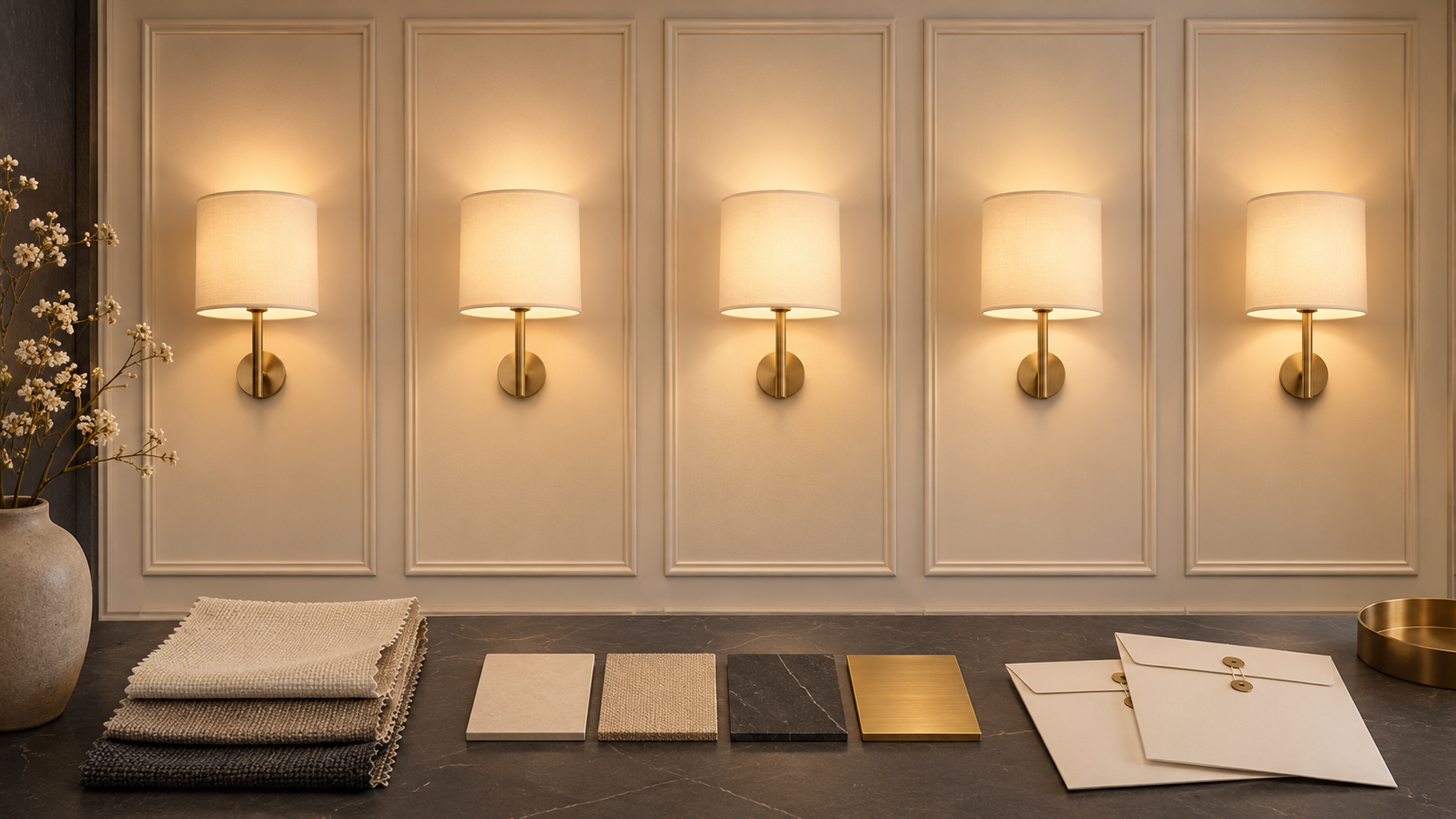
Set up the selected lights against the real wall, headboard and fabric materials. View them at the intended distance with curtains open and closed. Compare rooms of the same type under the same scene and dimming state. A color difference across a shared wall can be more noticeable than one between distant room types.
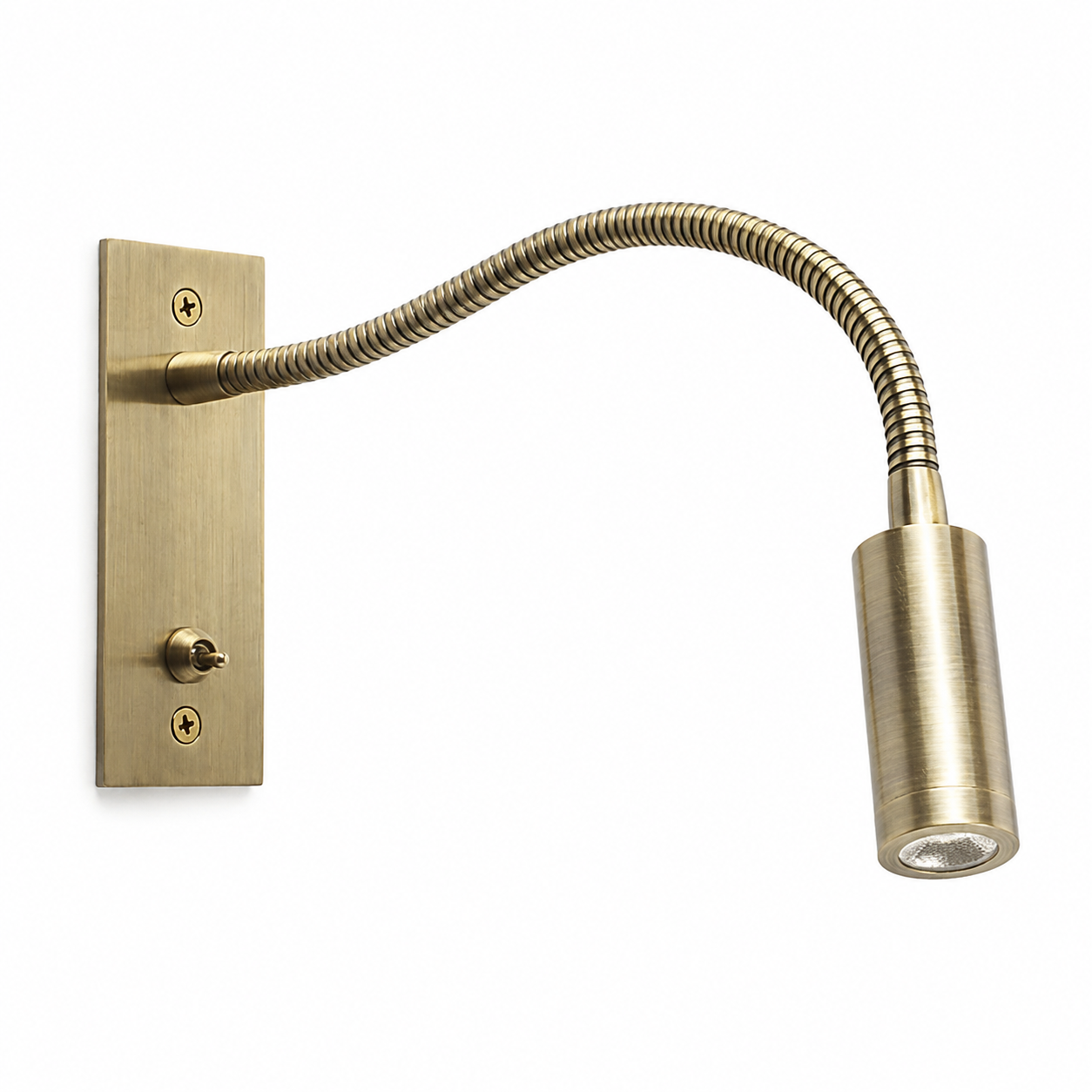
The documented MD-WL-Y135 offers specific selectable color-temperature configurations, including 2700 K, 3000 K and 4000 K in its product pack. Those are order options, not an on-site color-changing claim or a stated SDCM result. Choose one approved configuration for the room schedule and ask for its batch color data. The color-consistency guide for multi-room projects addresses the procurement workflow more broadly.
Control substitutions and future repairs
Record the LED module, optic, driver, nominal color temperature, test method and accepted sample. Specify how replacements will be matched years later and what the operator should keep as a spare. A spare from an unrelated production run may operate correctly but look different from neighboring luminaires.
If a supplier changes a chip or driver, compare the complete luminaire again. Optics and current can affect the apparent color; a package-level data sheet does not establish the final room appearance. Check the appearance at any commonly used dimmed state as well as full output.
For adjacent rooms, place samples from the proposed delivery batch next to the signed master sample under the same scene. Note whether the difference is visible on the shared wall finish and whether replacement stock is drawn from the same controlled range. This simple comparison connects a laboratory tolerance to the way guests will encounter repeated spaces.
Make acceptance observable
Agree a sample-room comparison under fixed conditions. Photograph for records, but make the visual decision in person because camera white balance can hide or exaggerate a mismatch. Note who approved the result and which product version was installed.
The useful question is whether the repeated guest rooms look intentionally consistent and can be maintained. SDCM contributes evidence; the accepted installation and controlled replacement path complete the decision.