Quick answer
For a multi-room hotel, define the accepted appearance using an approved sample and measurable colour data for the exact LED configuration. Check initial batch variation and the risk of colour shift over life; a shared nominal CCT alone does not guarantee a match.
LED color consistency for multi-room hotel projects is a repeatability problem, not just a choice between warm and cool light. A nominal correlated color temperature, or CCT, identifies a broad appearance. It does not guarantee that every installed fitting looks identical beside the same fabric or wall. Define an approved visual sample and measurable acceptance data for the exact configuration, then control replacements as well as the first order.
Distinguish initial matching from change over time
Initial variation can occur between LED parts, production batches or complete luminaires. A separate issue is colour shift after operating time. The U.S. Department of Energy colour characteristics fact sheet explains how LED colour is described and why specification terms need care. A stated CCT is useful but incomplete for judging a row of adjacent guestrooms.
Ask the supplier for the target chromaticity or an agreed tolerance for the ordered product. If an SDCM or MacAdam-step description is offered, confirm what it applies to: an LED package, module or finished luminaire, and whether it covers the initial batch only. Do not treat one number as a promise that a replacement years later will match an aged unit.
View actual room materials
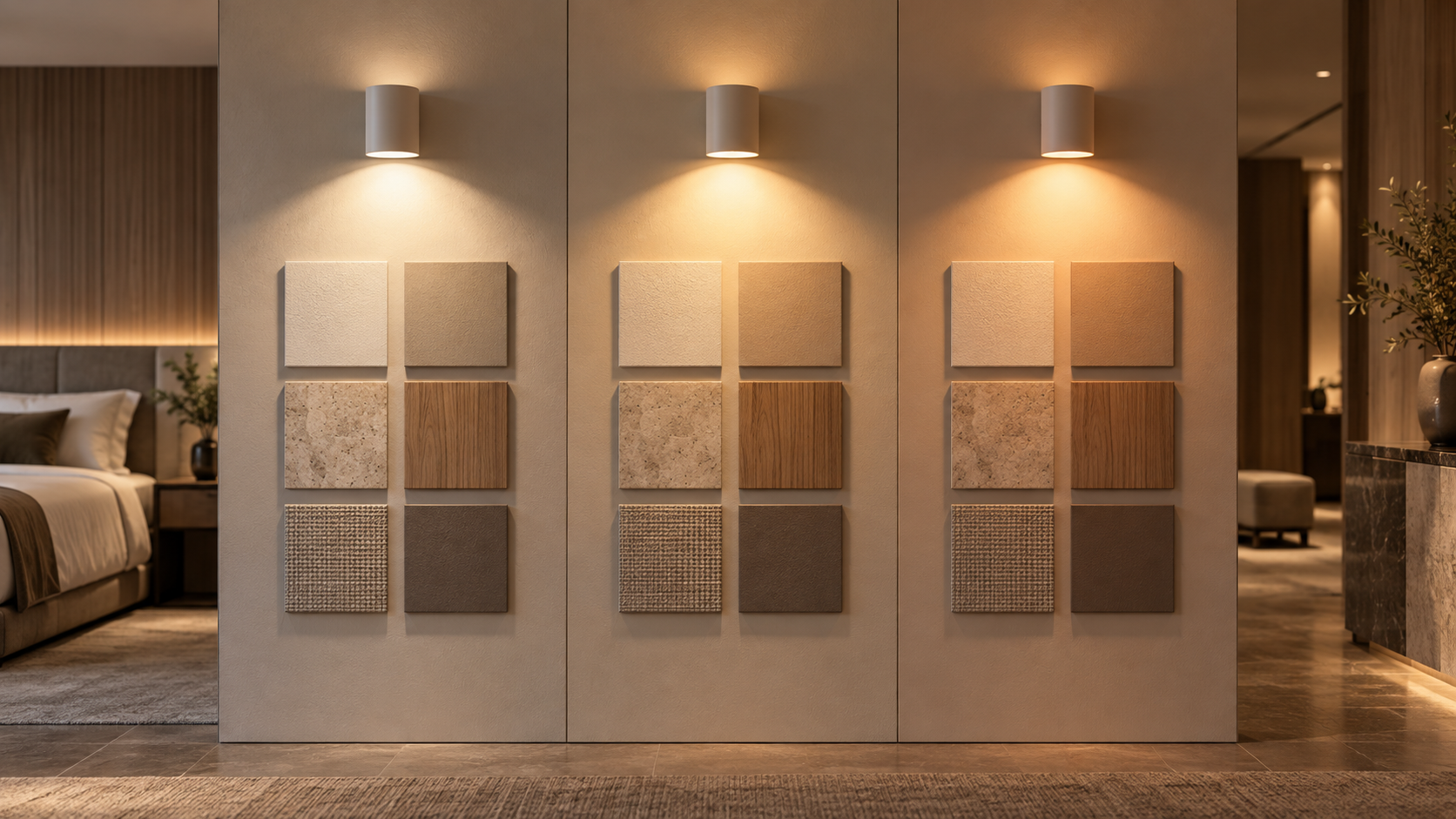
Install samples beside the selected paint, upholstery, timber and metal finish. Review them with the other room light sources on and off. Two fittings can appear similar on a white test bench yet reveal a difference beside a coloured fabric. Ask the design team to choose an accepted reference and note the conditions under which it was viewed.
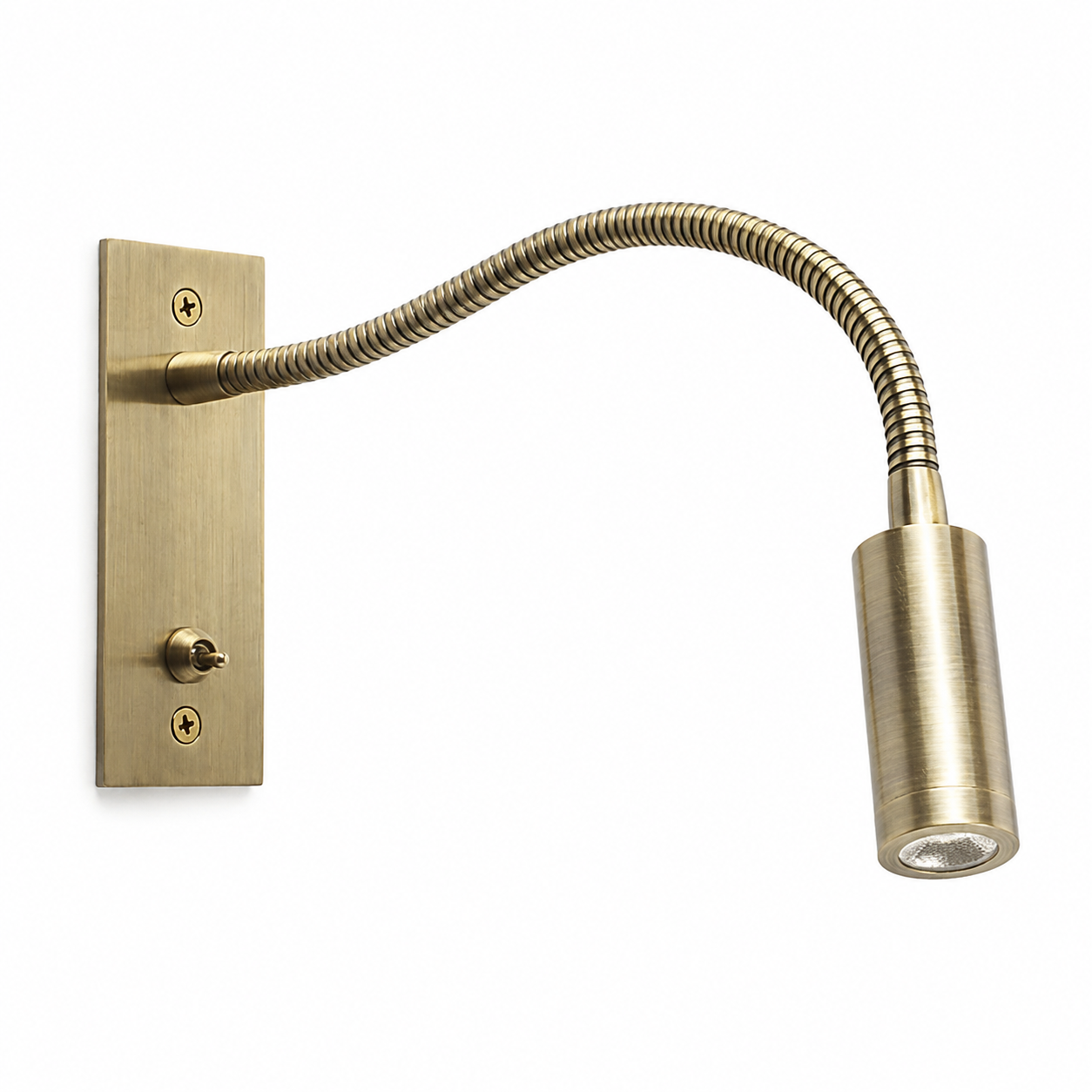
The MD-WL-Y135 recessed reading light has documented 2700 K, 3000 K and 4000 K order options. These are distinct configurations, not a guest colour-change function. Record the one selected for the project and request the full configuration code. Do not assume another MYDE fitting shares the same LED source or colour tolerance.
Control batches and replacements
For a repeated order, identify how luminaires are labelled by batch or configuration and what evidence accompanies a shipment. Inspect representative samples under the agreed room conditions before installation. If several batches must be mixed, decide where variation would be most visible and agree a sampling plan.
Maintenance needs the same discipline. Keep an asset record of the original product and colour specification, then compare a proposed spare with an installed room sample. The DOE research on chromaticity maintenance shows why a colour specification at delivery should not be confused with lifetime behaviour.
Write a usable acceptance note
Include the approved sample identifier, exact model and CCT option, the agreed measurable tolerance and test basis, viewing conditions, shipment sampling method and replacement procedure. Ask who resolves a mismatch and whether the supplied evidence covers the complete luminaire. This makes “consistent warm white” a reviewable requirement rather than a subjective dispute after hundreds of rooms are installed.
If guests can see several rooms or fittings from one corridor, include those sightlines in the sample review. The most visible mismatch may occur between adjacent installations rather than within one isolated room. Record that observation before deciding how batches will be allocated.