Quick answer
CRI 90 can support natural-looking room materials and faces, but it measures only one aspect of colour quality. Check the exact source and physical samples; assess brightness and glare separately.
Why CRI 90 matters in hotel guest rooms is a colour-quality question, not a brightness question. The general colour rendering index, usually written CRI or Ra, compares how a source renders a defined set of colours against a reference. A value above 90 can be a useful specification for rooms where skin, fabrics, timber and food need to look natural. It does not prove that every colour will look excellent or that the light is comfortable for reading.
Separate colour rendering from colour temperature
Colour temperature describes whether white light appears warmer or cooler. CRI describes one aspect of how objects appear under that source. Two products marked 3000K can render red upholstery or skin differently; two products with the same CRI can also have different white appearance. Ask for both data sets and examine the physical materials in the room.
The common CRI Ra value averages a limited group of colour samples. It should not be treated as a complete spectral report. For a material-critical scheme, ask the lighting designer whether additional colour metrics or individual sample values are needed. A product photo or a phone-camera comparison is not an independent measurement, since camera processing and white balance alter what the viewer sees.
Where it matters in the guest journey
Colour quality affects the visual impression of faces at mirrors, bedding and soft furnishings, timber finishes and any artwork. Reading light also illuminates the page, but its beam placement and delivered light level must be checked separately. A high-CRI source pointed into a guest's eyes remains a poor bedside solution. If different sources share one wall or headboard, examine them together for colour consistency as well as each source individually.
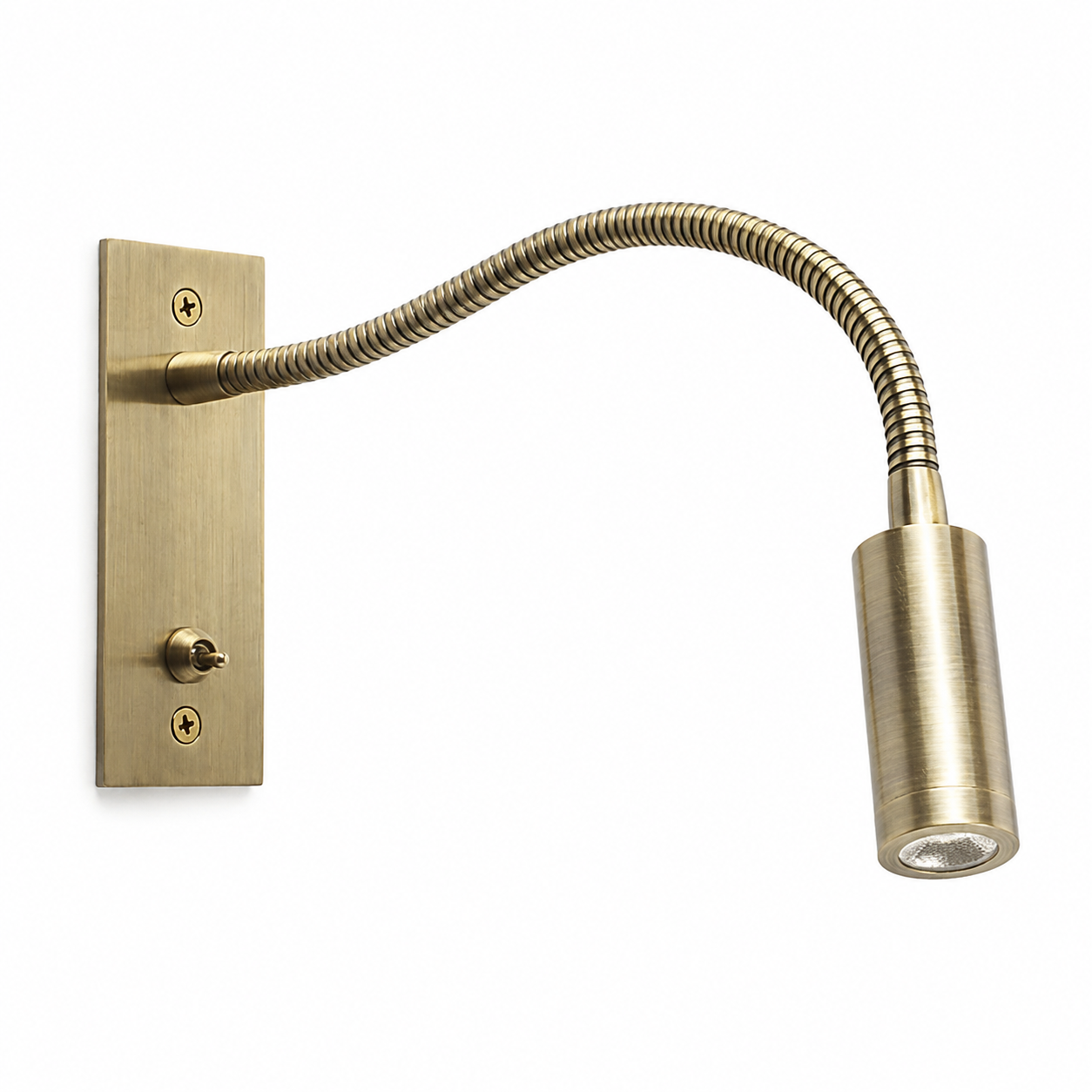
The MD-WL-Y135 recessed reading light fact lock lists CRI above 90 for its documented configuration. Confirm the exact ordered version and supporting test information before using that claim in a project specification. Do not carry the value over to another MYDE model. A procurement schedule should identify the model, source option, nominal CCT, CRI criterion and evidence requested for the final variant.
Sample and record the result
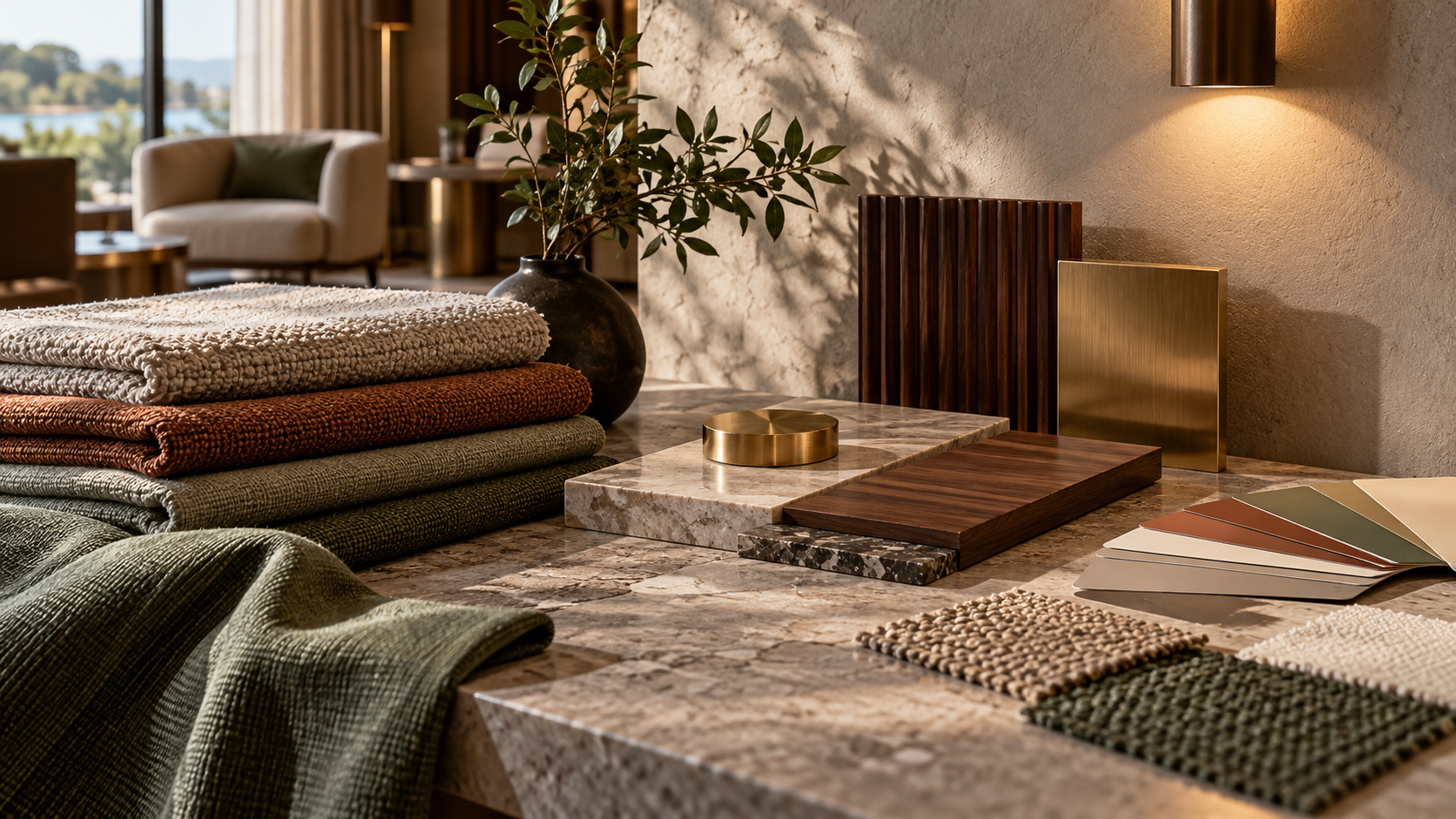
Place the intended headboard fabric, timber, paint and metal samples under the candidate luminaire at normal evening output. Look at the materials from the doorway and pillow. Compare the scene with the ambient layer on and off. If possible, review a person and a printed colour sample under the same light. Keep the accepted sample and the supplier's technical record together.
When comparing batches, avoid relying only on a nominal CRI declaration. Ask how the supplier controls colour consistency and what tolerance applies to replacement units. The colour-consistency guide addresses matching across repeated rooms; it answers a different question from colour rendering within one source.
Specification checks
- Identify the exact lamp or integrated LED configuration being ordered.
- Record CCT and CRI together, with the relevant source document.
- Compare real room materials at the intended control level.
- Check glare and task illuminance as separate acceptance items.
- Keep an approved reference for repeat orders and replacements.
CRI 90 is useful when it is one verified part of a complete room-lighting brief. It is not a shortcut around physical sampling or optical review.