Quick answer
Choose one memorable visual layer, then give reading, dressing and night movement independent useful light and test every scene in a furnished room.
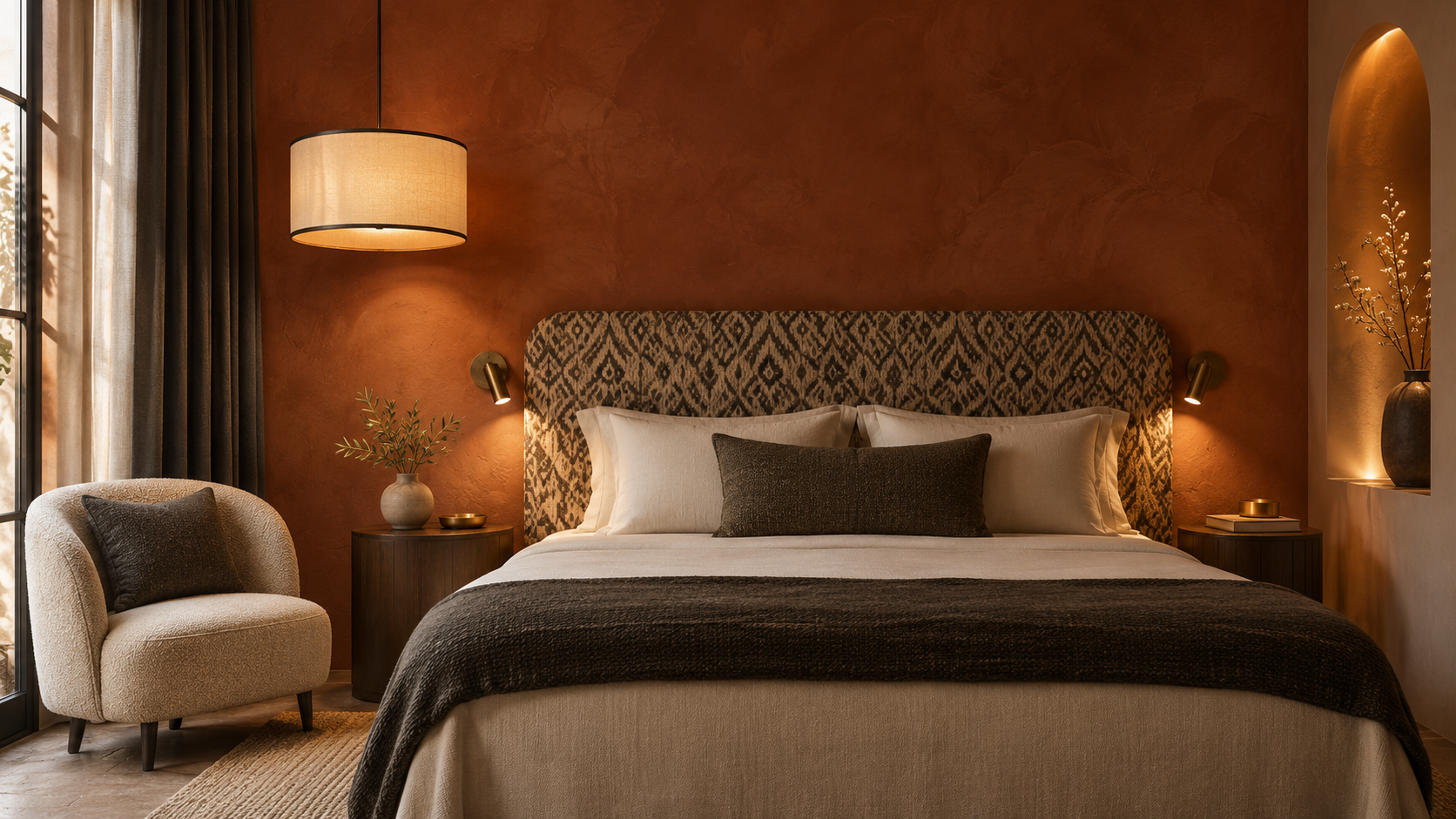
Hotel lighting ideas for boutique hotels should give a room a recognizable character without making ordinary tasks difficult. A distinctive headboard wash, sculptural wall light or material highlight can provide the visual signature. Reading, dressing, luggage handling and night movement still need their own usable light. Select one or two memorable effects, then test how the guest controls them in the furnished room. The result should feel intentional across repeated rooms, not depend on a photograph taken from one favorable angle.
Give the room a visual anchor
Start with the interior story: a textured wall, local material, artwork or crafted headboard. Decide which surface deserves emphasis and from which guest viewpoint it will be seen. An accent can add depth, but it should not be counted as the only reading or mirror light until the task is tested.
Boutique rooms often vary by layout. Keep a consistent design principle while documenting the mounting and aiming of each version. A wall grazer that works beside one bed may reflect into a mirror or window in another. Use an actual elevation for each room type instead of copying a fixture count from a hero photograph.
Make the character usable at the bedside
Give each pillow a controllable reading option. Check the view from both pillows and from a seated position, not just from the entrance. A narrow beam may keep the other guest's side quieter; the exact result depends on distance, optic and fabric reflectance. A decorative sconce can supply atmosphere while a separate reading head handles the book.
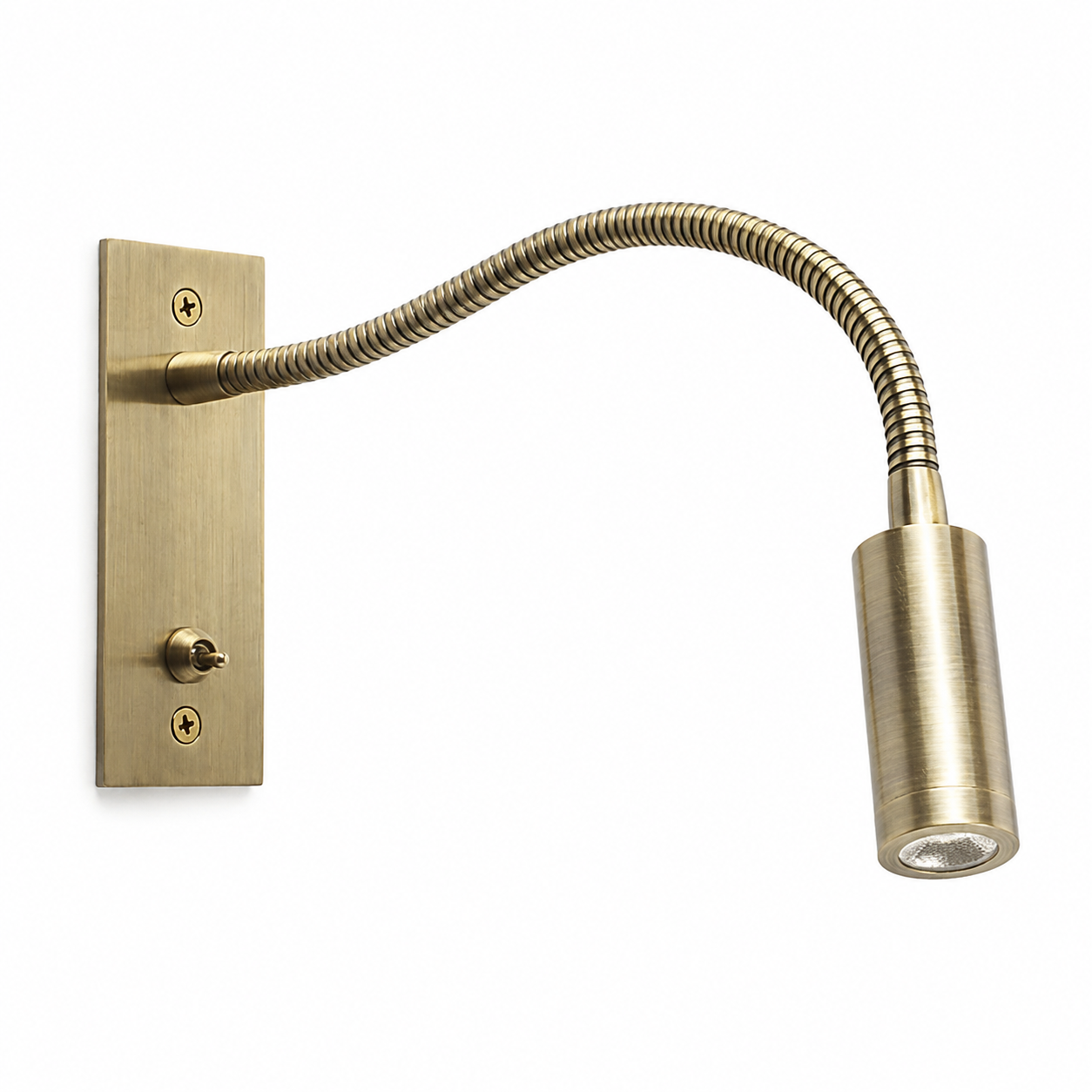
The documented MD-WL-Y135 is a recessed adjustable 3 W reading head with a stated 30° beam option. These facts apply to that model's specified configuration, not to every MYDE wall light or to an installed room's measured illuminance. Ask for the exact product drawing and test the selected sample. The decorative versus functional lighting guide provides a broader comparison.
Protect the scene after dark
A boutique room can feel warm without leaving the guest with one undifferentiated dimmer. Write simple states for arrival, reading, relaxed conversation and all-off. Check that a guest unfamiliar with the room can find the right control from the doorway and bed. A luminous accent that cannot be switched off from the pillow may be memorable for the wrong reason.
Review colors and textures under the actual specified lamps. Timber, woven fabric, stone and painted metal can appear different when the color temperature or rendering changes. Sign off a physical finish and light sample together. Avoid promising a particular guest mood from a Kelvin value alone.
Repeat the idea without losing quality
Record the approved room type, fixture version, finish sample, aiming position and control sequence. If the hotel has several headboard widths, document the adjustment for each one. A small change in joinery depth may affect a recessed fitting or its service access, even when the front view looks the same.
Walk the room with housekeeping and maintenance staff. Can they clean around the fitting, reset the scene and replace a failed component without damaging a signature finish? The most useful boutique idea is one the guest can use and the operator can maintain. Before a larger order, approve a complete room mock-up and keep its records as the reference for the remaining rooms.