Quick answer
Design the room for bright daytime views and low-glare after-dark tasks, with separate bedside, seating and night-route controls.
Hotel lighting design for resort guest rooms must work across a wide change in daylight. A bright terrace view, shaded afternoon room and dark return from dinner can make the same fitting feel very different. Plan the window, seating area, bed and bathroom route as separate use zones. Preserve the view and relaxed atmosphere while keeping reading, unpacking and night movement practical. Test the selected scheme with curtains open and closed, then repeat the check after dark in a furnished sample room.
Start with daylight and views
Locate the bed, sofa and work surface relative to the window. A lamp near glazing may appear weak by day but dominate the room at night. Reflections in glass and mirrors can expose a bright source from positions that are not obvious on a plan. Sit where guests will sit and look both inward and toward the view.
Do not use a single fixed scene for every resort room orientation. A west-facing room at sunset and an interior-facing room may need different control presets or curtain behavior. Document the principle and approve each representative room type rather than inventing one universal light level.
Support the longer room stay
Resort guests may use the room for reading, conversation and time on a terrace rather than only sleeping. Provide a useful light at the actual chair or desk if one is part of the furniture plan. Keep task light independent from the general atmosphere so one person can read while another watches the view or rests.
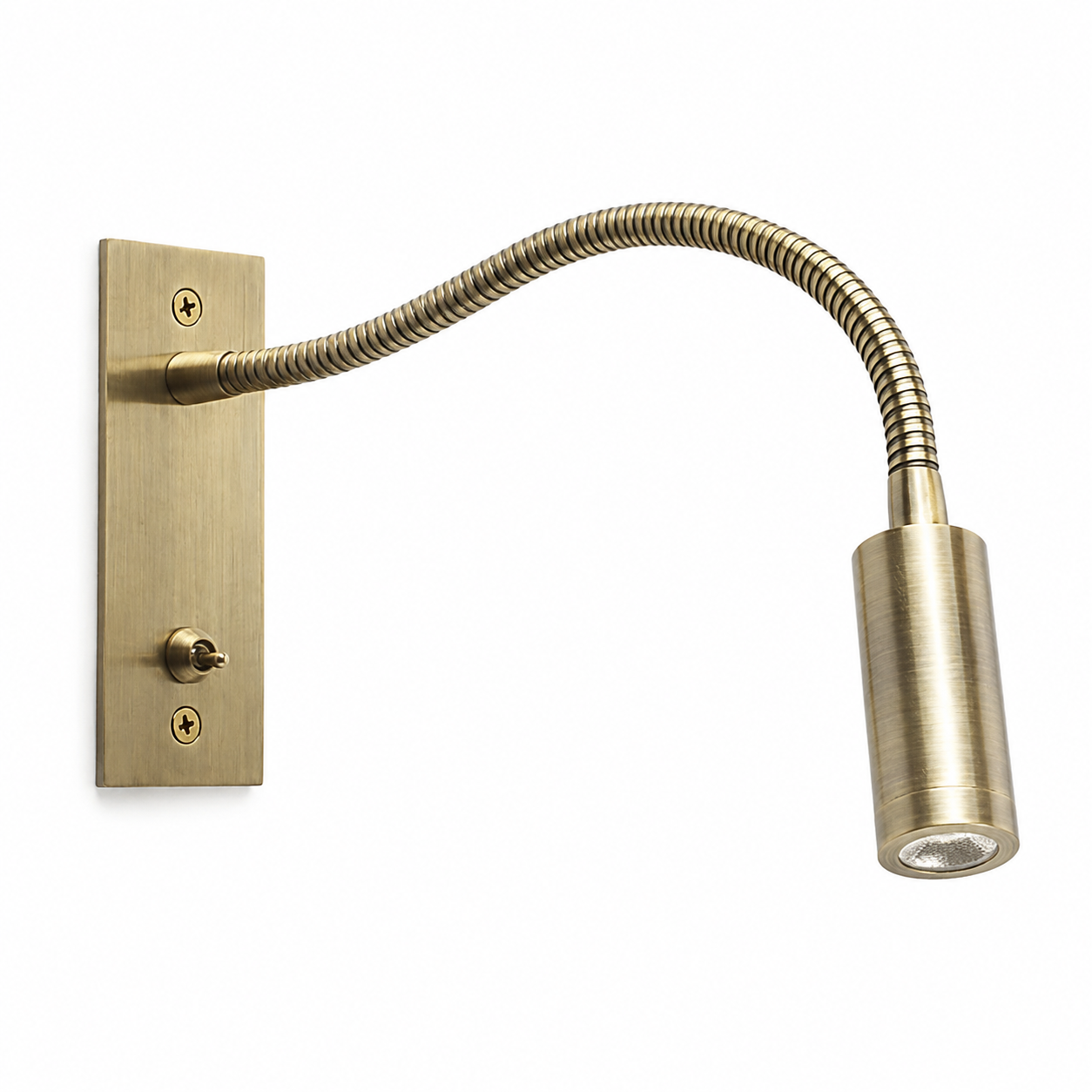
At the bed, check both pillows and the path around luggage. The documented MD-WL-Y092 has a flexible 3 W head and touch dimming, which may help adapt its aim and output. The precise touch-control sequence remains unverified in the source pack and must be checked on a sample. Its existence does not prove any resort room has adequate reading light. The king-bed lighting guide covers one two-person arrangement.
Make the evening transition intelligible
Create a small scene list: return to room, read, relax, night route and all-off. Ask how the guest returns from a bright outdoor space to a dark interior, and whether the first switch is visible. Test the route to the bathroom without turning on every ceiling light. A decorative terrace glow should not prevent the guest from achieving a clear off state indoors.
Weather and curtains can change the apparent brightness. During the mock-up, check the room under bright daylight, at dusk and in darkness. Record any reflected source at the window. If the property includes outdoor luminaires, their light entering the room is a separate coordination issue; do not assume the bedside scheme can compensate for it.
Approve a repeatable room package
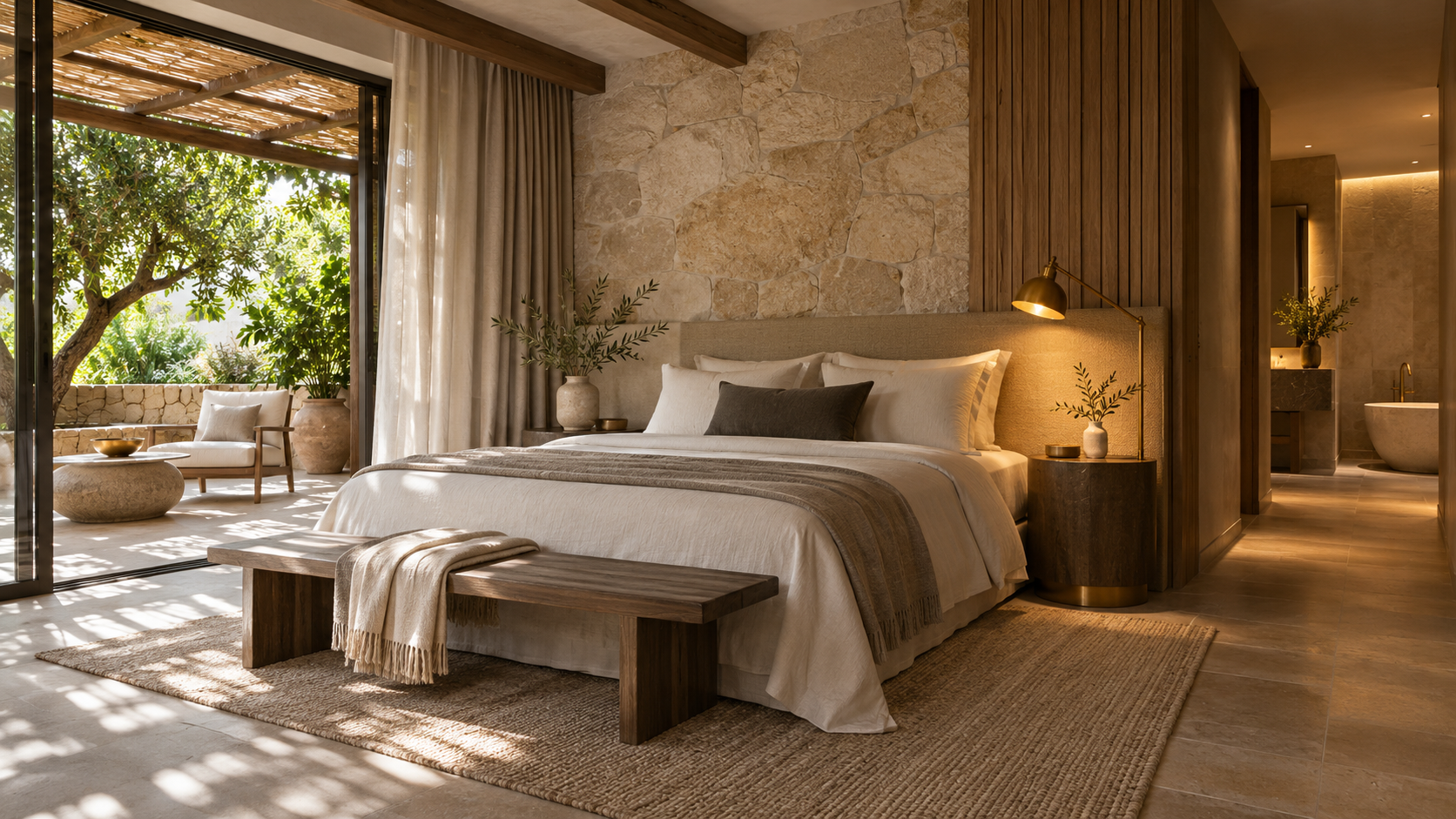
The project record should identify the room orientation, furniture version, window treatment, exact luminaire configuration, control schedule and maintenance access. Where room types differ, note which elements are fixed and which are adjusted. An appealing evening photograph is useful for design review but does not verify glare, switching or reading performance.
Have the electrical designer and operator approve the sample together. If a driver, curtain fabric, bedside light or controller is substituted, retest the affected scenes. Keep the acceptance photos and notes with the fixture schedule so installers can reproduce the intended experience without guessing from a concept image.