Quick answer
Compare approved configurations and lifecycle obligations on the same basis: hardware, finish, controls, testing, install time, spares and replacement access.
Hotel wall light cost factors explained as a project decision include the fixture, its finish and controls, installation effort, testing, spares and later service. Two quoted unit prices are not comparable if one includes a verified driver and approved finish while the other leaves those items open. Build a common specification and ask suppliers to price the same exact configuration and delivery responsibilities. This guide does not give retail prices or claim that one MYDE model is cheaper; it shows where cost moves when the hotel changes its brief.
Start with a controlled comparison
List the visible form, mounting method, optical requirement, control method, finish, destination market and delivery scope. Ask each supplier to state what is included and what is an option. A wall-mounted decorative light, a recessed reading head and a combined charging fixture may need different support and electrical work even when they serve the same room.
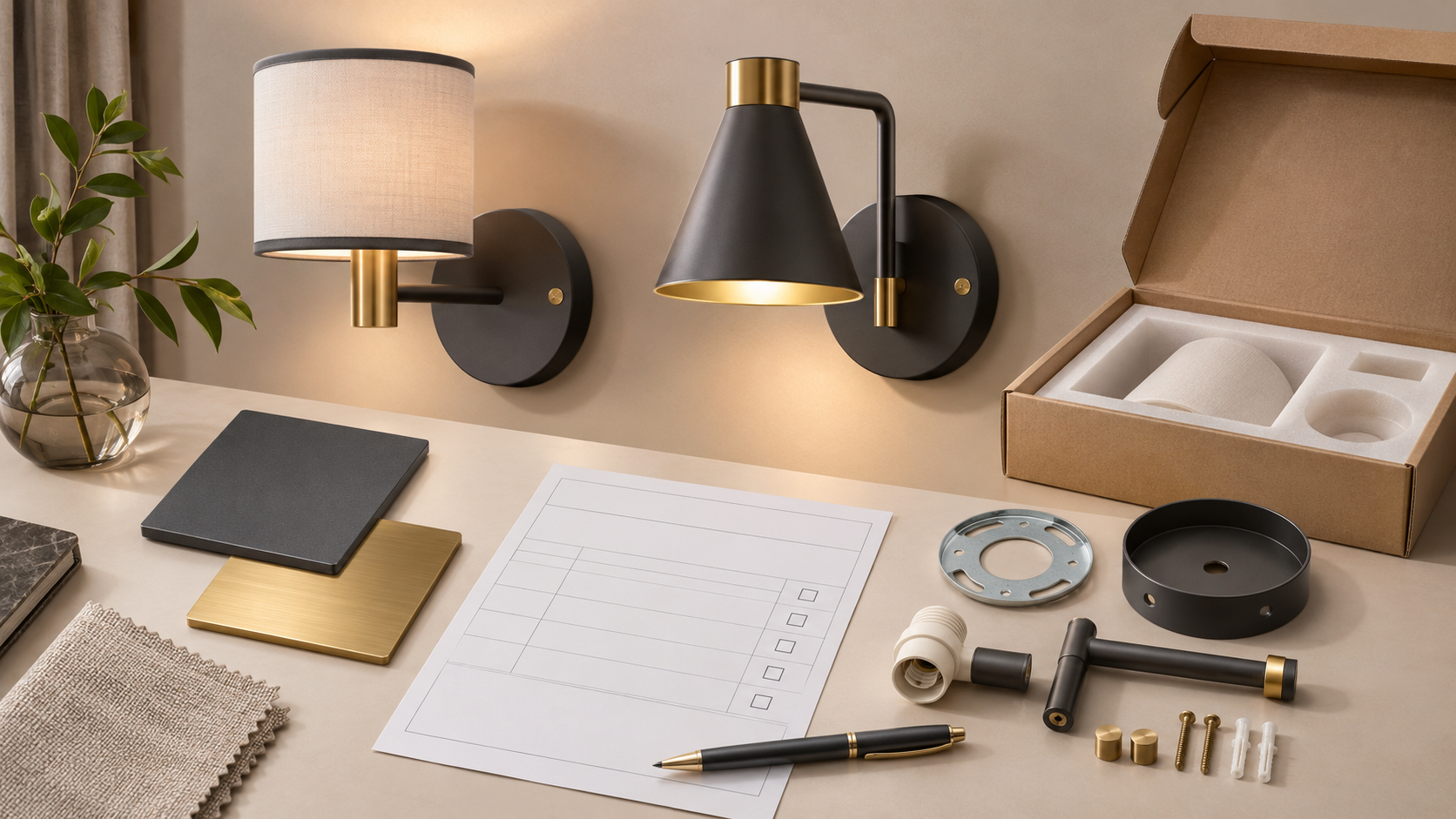
The hotel lighting specification template helps make line items comparable. Keep the final decision on the exact variant. A base-model quote can understate a project that later adds a special finish, driver, port or testing request.
Account for the wall and headboard
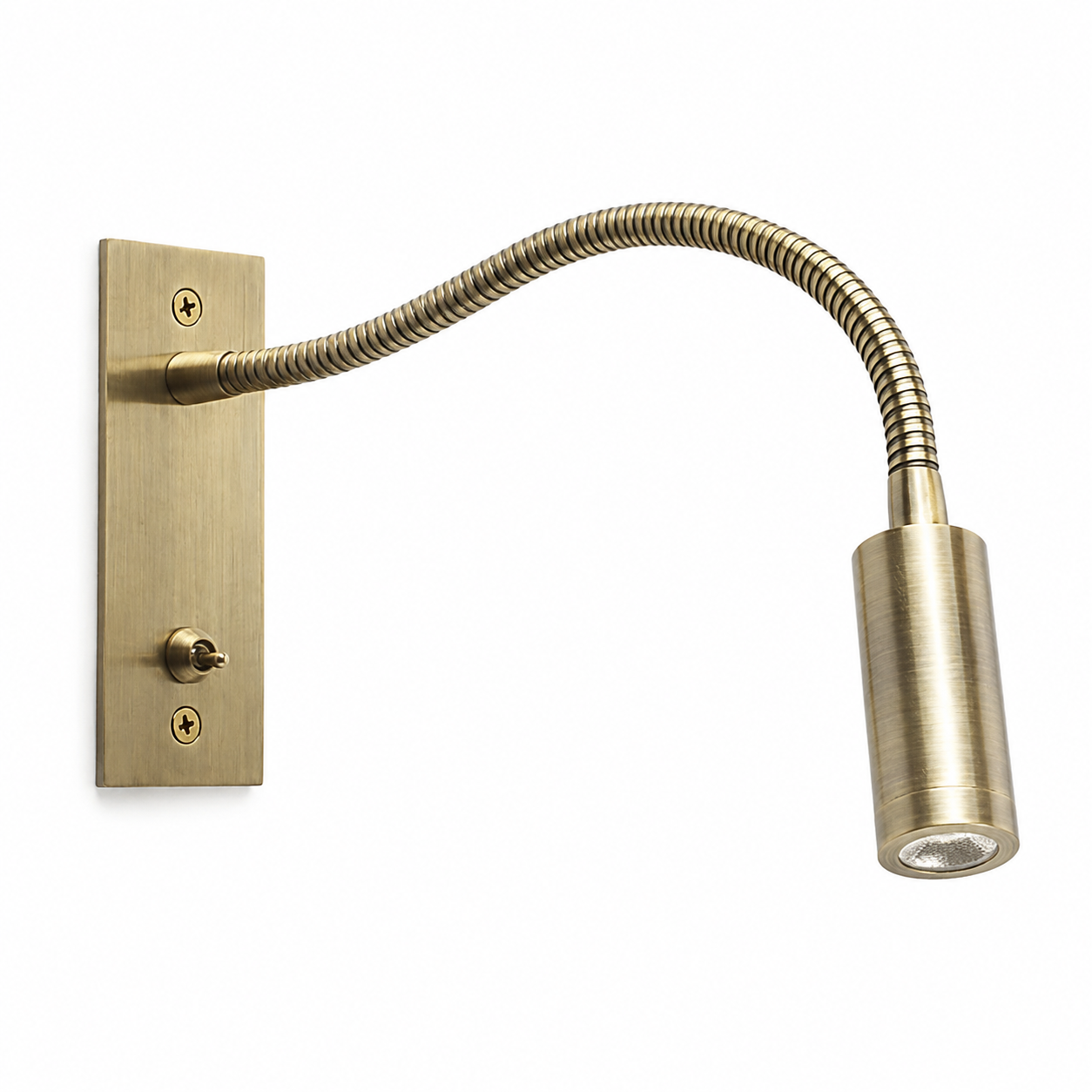
Installation affects total cost. A recessed product may need a verified cut-out, joinery depth and access panel; a surface-mounted product still needs sound support and a suitable cable point. The documented MD-WL-Y135 is a recessed adjustable reading head, while MD-WL-Y003 is surface-mounted and includes a physical toggle and USB-A port. These are configuration facts, not price claims. Ask the contractor to cost each mounting detail against the actual room construction.
Include the first-room mock-up and any rework needed before rooms are repeated. Resolving an electrical or joinery conflict on a prototype is different from discovering it after a run of finished headboards. Record which party provides drawings, samples and final inspection.
Treat finish and controls as defined options
A custom color or texture needs an approved physical sample and an agreed consistency method. Do not assume a render proves the delivered finish. If several metal or fabric parts must match, identify the master sample and acceptable variation. The chosen method and quantity can affect preparation, yield and replacement strategy; request a supplier-specific quotation rather than a generic percentage.
Controls can change hardware and commissioning work. Specify whether a light is locally switched, dimmed or integrated with a room master. Y003's documented reading head is non-dimmable, so a proposal to add dimming requires a verified different configuration. Avoid pricing an imagined feature.
Include the operating period
Ask how the operator will reach and replace a driver, head, switch or charger board. Check availability of approved spares and the process for matching finishes after a later repair. A fitting that is difficult to access may create more room downtime even if its first quote is lower. Do not claim a lifetime saving without actual failure, labor and service data.
Keep a comparison sheet with the exact product versions, included tests, excluded work, installation assumptions and spare strategy. Approve the room sample before treating the quotation as final. The best cost decision is the one whose scope and performance can be checked throughout the project, not the one with the smallest unsupported unit number.